Use cases · Community care · Primary care · Hospital ward · Nursing home
Advance care planning preparation
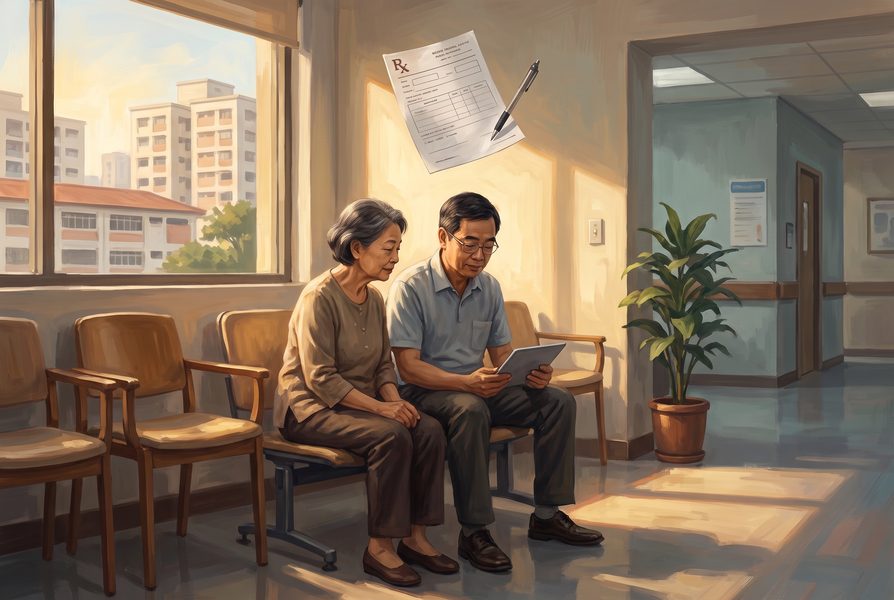
Advance care planning conversations are hard to start, and patients and families often come unsure what to expect. Before the conversation, TESSA explains in plain language what advance care planning covers, such as choosing a decision-maker and preferences for future care, and offers resources to help families weigh the options. It helps them note their values, worries and questions. The conversation and decisions themselves stay with the care team.

At a glance
- Does
- Counselling, Patient education
- Setting
- Community care, Primary care, Hospital ward, Nursing home
- Specialty
- Palliative care
- Who
- Patient-facing
Also searched as
advance care planning · advance directive / living will · end-of-life care planning
Questions
What does TESSA do in advance care planning preparation?
Advance care planning conversations are hard to start, and patients and families often come unsure what to expect. Before the conversation, TESSA explains in plain language what advance care planning covers, such as choosing a decision-maker and preferences for future care, and offers resources to help families weigh the options. It helps them note their values, worries and questions. The conversation and decisions themselves stay with the care team. It does this through counselling, patient education.
Does TESSA diagnose the patient?
No, TESSA never gives a patient a diagnosis. It collects and collates the information the patient provides, asks probing questions and performs risk assessment; a clinician reviews the summary and decides, and no diagnosis, summary or management plan reaches the patient until the clinician signs.
What happens if the patient mentions a warning sign?
Warning or worrying signs that require immediate attention or action go straight to the care team without alarming the patient. For time-critical presentations, TESSA supports the clinician only and is not currently intended for patient use.
How is patient information protected?
The patient surface runs on session codes, not names, and each institution's data is kept apart with a full audit trail. Our own Anonesia by TINYHealth is a proprietary software and code that removes PIIs, e.g. names, ID numbers and contact details from text before it reaches an AI model.
How do we start with this use case?
Each new use case is built and validated with clinical teams, on your own pathways and guidance. Book a meeting with us to start.